
Beyond Traffic: How to Audit Your WordPress Site for Maximum Conversion in 2026

Beyond Traffic: How to Audit Your WordPress Site for Maximum Conversion in 2026

SEO, WordPress

 Beyond Traffic: How to Audit Your WordPress Site for Maximum Conversion in 2026

In the early days of SEO, traffic was the only metric that mattered. If you had 10,000 visitors a month, you were winning. But as we head into 2026, the landscape has shifted. With AI-driven search (SGE) and zero-click results becoming the norm, the traffic reaching your site is more intentional than ever.If that traffic isn’t converting, you aren’t just losing sales—you’re wasting a high-intent audience.

It’s time to look beyond the “hits” and “sessions.” Here is your comprehensive guide to performing a WordPress conversion audit that turns your website into a high-performance sales machine.

1. The 2026 Speed Standard: Interaction to Next Paint (INP)

We already know speed is a ranking factor, but in 2026, conversion is tied to responsiveness. Users no longer tolerate “laggy” interfaces.

  • The Audit Task: Check your INP (Interaction to Next Paint) scores in Google Search Console.

  • The Fix: If your buttons don’t react instantly when clicked, you’re losing users. Minimize heavy JavaScript execution and consider moving to a lightweight framework or a headless WordPress setup using React to ensure your UI feels “app-like.”

2. Eliminate “Decision Fatigue” with Clean UX

Modern users are overwhelmed. If your WordPress site has too many sidebars, pop-ups, and competing Calls to Action (CTAs), users will bounce.

  • The Audit Task: Use a heatmapping tool (like Hotjar or Microsoft Clarity) to see where users get stuck. Are they clicking on non-clickable elements? Are they scrolling past your main CTA?

  • The Fix: Simplify your navigation. Ensure every page has one primary goal. If it’s a blog post, it’s a newsletter signup; if it’s a service page, it’s a contact form.

3. Trust Signals 2.0: Beyond the SSL Badge

In 2026, an SSL certificate is the bare minimum. To convert, you need Hyper-Local Social Proof and E-E-A-T (Experience, Expertise, Authoritativeness, and Trustworthiness).

  • The Audit Task: Look at your landing pages. Are your testimonials generic? Do you have “As Seen On” logos that actually link to the sources?

  • The Fix: Embed video testimonials and real-time social proof (like recent sales notifications). Ensure your “About” page highlights your actual hands-on experience in WordPress development and SEO.

4. Mobile-First is Now Mobile-Only

The majority of conversions now happen on mobile devices, often via social media browsers (like the Instagram/LinkedIn in-app browsers).

  • The Audit Task: Open your site inside the LinkedIn or Instagram app. Does the “Sticky Header” take up half the screen? Is the “Buy Now” button too small for a thumb to click?

  • The Fix: Implement Thumb-Zone Design. Place your most important buttons within easy reach of a user’s thumb and ensure your forms use “Auto-fill” tags to make mobile entry seamless.

5. Audit Your Technical Sales Funnel

Sometimes, the reason you aren’t converting is a simple technical glitch that you haven’t noticed because you’re logged in as an Admin.

  • The Audit Task: Perform a “Mystery Shopper” test. Open an Incognito window and try to complete your own contact form or checkout process.

  • The Fix: * Check for broken 404 pages in your funnel.

    • Ensure your “Thank You” page actually loads.

    • Verify that your email automation (Mailchimp/FluentCRM) is actually delivering the lead magnet.

Final Thoughts

Getting traffic is the job of SEO; keeping it is the job of UX; but converting it is the job of Strategy.

As a WordPress developer in India , I’ve seen countless sites with beautiful designs that fail to pay the bills. By performing this audit, you stop leaving money on the table.

Need a professional eye to audit your WordPress performance? Contact me today for a deep-dive technical and conversion audit.
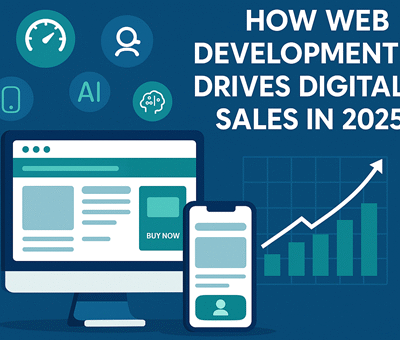
How Web Development Drives Digital Sales in 2025

How Web Development Drives Digital Sales in 2025

WordPress

In the fast-paced digital economy of 2025, web development has become one of the most critical drivers of digital sales. With online customer journeys growing more sophisticated and expectations higher than ever, a business’s website is no longer just a digital presence — it’s the engine of revenue growth. From mobile-first experiences to AI-powered personalization, modern web development is reshaping the way businesses connect with consumers.

Let’s explore how cutting-edge web development practices are helping companies skyrocket their digital sales in 2025.


1. Faster Load Times = Higher Conversions

Website speed remains one of the most decisive factors for conversions. In 2025, users expect pages to load in under two seconds, and search engines reward fast-loading sites with better visibility.

Web developers are optimizing performance through:

  • Lightweight frameworks like Next.js and Astro

  • Smarter image compression and lazy loading

  • Serverless architecture and edge computing

A delay of just one second can reduce conversions by up to 20%, making performance optimization a must-have for digital sales success.


2. Mobile-First, Always

With over 75% of online purchases now happening on mobile, responsive, mobile-first design is no longer optional.

Modern web development uses:

  • Scalable vector graphics (SVGs)

  • Touch-friendly navigation

  • Progressive Web Apps (PWAs)

These improvements ensure seamless mobile experiences that encourage browsing, engagement, and buying — anytime, anywhere.


3. Personalized Experiences Powered by AI

AI and machine learning are powering hyper-personalized websites in 2025. Web development teams are now integrating intelligent tools that dynamically adapt content, product recommendations, and offers based on user behavior.

For example:

  • E-commerce sites suggest items based on browsing history

  • SaaS platforms show tailored pricing or onboarding flows

  • Retail sites use geolocation to adjust promotions

This level of personalization drives deeper engagement and boosts sales dramatically.


4. Headless Commerce and Seamless Integrations

Headless CMS and commerce solutions give developers the freedom to craft blazing-fast, customized front-ends, while still integrating with powerful back-end systems.

In 2025, headless setups allow:

  • Real-time product updates across devices

  • Omnichannel shopping experiences

  • Easy integration with CRMs, ERPs, and marketing tools

These modular, API-first architectures are turning websites into fully optimized digital sales machines.


5. Trust-Building UX and Accessibility

Sales don’t happen without trust. Web developers are focusing on accessible, inclusive, and ethical design principles that boost credibility and user satisfaction.

Key strategies include:

  • ADA-compliant designs

  • Transparent data handling and privacy features

  • Intuitive navigation and clear CTAs

When users feel safe and understood, they’re more likely to convert — and come back.


6. Real-Time Analytics and Conversion Optimization

In 2025, websites are not static brochures. They are data-driven platforms, continuously evolving based on user behavior. Developers are integrating real-time analytics tools and A/B testing frameworks directly into websites.

This allows businesses to:

  • Adjust layouts or offers on the fly

  • Identify drop-off points in the sales funnel

  • Personalize experiences even more deeply

Constant iteration is the secret weapon behind high-performing websites.


Final Thoughts

Web development in 2025 is not just about building beautiful websites — it’s about engineering revenue-generating digital experiences. From performance and personalization to AI and accessibility, developers now play a direct role in driving sales and business growth.

If you’re not investing in modern web development, you’re likely leaving money on the table.

The ROI of Good Web Design: Why It’s Worth the Investment

The ROI of Good Web Design: Why It’s Worth the Investment

WordPress

In the digital age, your website is often the first impression potential customers have of your business. Whether you’re a startup, a local service provider, or an established brand, your web design plays a crucial role in how users perceive your credibility, professionalism, and value. But beyond aesthetics, there’s a more compelling reason to invest in good web design: Return on Investment (ROI).

Let’s break down why good web design is not just a cost — it’s a smart investment.


1. First Impressions Matter – And They Convert

Visitors decide within seconds whether they’ll stay on your site or bounce away. A clean, modern, and intuitive design builds trust instantly. If your site looks outdated or cluttered, users may assume your services are too.

ROI Impact:
More time on site = More chances of conversion. A visually appealing site can reduce bounce rates and increase lead generation.


2. Improved User Experience (UX) = More Conversions

A well-designed website doesn’t just look good — it works beautifully. Smooth navigation, fast loading times, and mobile responsiveness make users more likely to complete actions like filling out a form or making a purchase.

ROI Impact:
Better UX directly improves your conversion rate. Even a small lift in conversions can translate into significant revenue over time.


3. SEO Benefits and Organic Traffic Growth

Google loves good design. A properly structured website with optimized images, fast load speed, and mobile compatibility performs better in search rankings.

ROI Impact:
Higher visibility in search results brings more organic (free) traffic, reducing your dependency on paid ads.


4. Brand Trust and Credibility

A professional design builds brand credibility. Your website acts like your digital storefront — and it needs to reflect the quality of your products or services.

ROI Impact:
Strong brand trust leads to repeat customers, referrals, and longer customer lifetime value (CLV).


5. Lower Long-Term Costs

Good design is scalable and built to last. Cheap or poorly executed web design often leads to bugs, security issues, and frequent rebuilds.

ROI Impact:
Fewer fixes, fewer downtimes, and less need for redesigns save you money and time in the long run.


6. Better Analytics and Marketing Integration

Modern websites are built with conversion tracking, heatmaps, and marketing integrations in mind. A good design makes it easier to track performance and make data-driven improvements.

ROI Impact:
You can optimize campaigns faster and see exactly how your website contributes to your sales funnel.


7. Competitive Advantage

Chances are, your competitors are investing in their digital presence. A well-designed website can set you apart, showing potential customers that you’re a leader, not a follower.

ROI Impact:
Standing out from competitors leads to higher market share and customer acquisition.


Final Thoughts

Investing in good web design is not just about having a pretty site — it’s about creating a powerful digital asset that attracts, engages, and converts. Whether you measure ROI in sales, leads, SEO rankings, or customer satisfaction, a well-designed website pays for itself many times over.